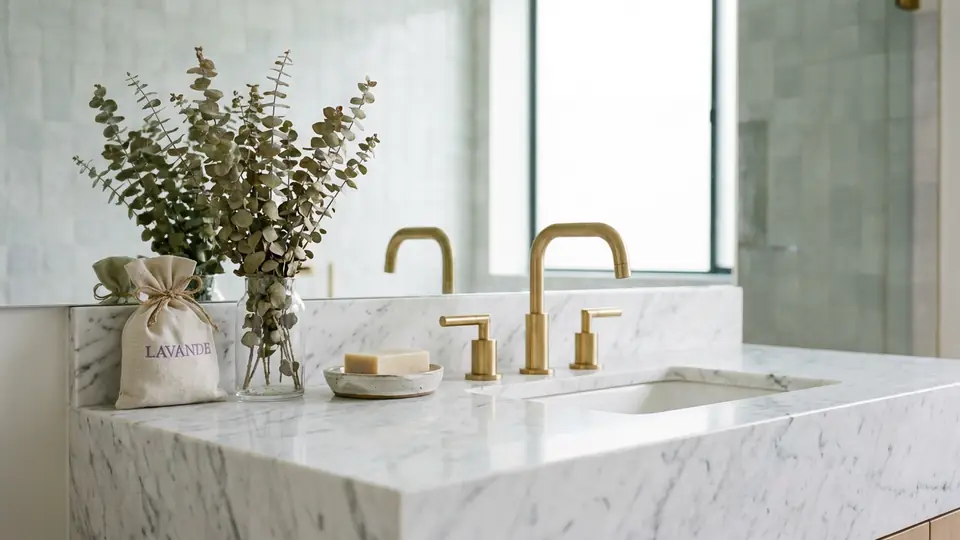
The premium for a jacuzzi suite over a standard king ranges from $40 to $200 per night depending on the market and the property tier. That premium buys a tub. What it does not buy is hotel jacuzzi cleaning that happens between guests. The difference between a well-maintained jetted tub and a neglected one is microbiological, not cosmetic. A surface that gleams under bathroom vanity lighting can conceal jet lines that have not been flushed in weeks, months, or ever. The guest who pays that premium deserves to know whether the tub was maintained like a precision system or wiped down like a nightstand. That takes about sixty seconds of inspection and one honest question at the front desk.
What Lives Inside a Jetted Tub
Every jetted tub contains plumbing the guest never sees. Behind the jet nozzles, a network of flexible tubing circulates water under pressure to create the hydrotherapy effect. When the tub drains, a small volume of water remains trapped in those lines. That residual water sits at room temperature in a dark, enclosed space. When the next guest fills the tub and activates the jets, whatever grew in that water enters the bath.
Biofilm is documented. Texas A&M tested whirlpool tubs and found bacteria in 100 percent of samples, fungi in 81 percent, staph in 34 percent. Idle jet lines give bacteria everything they need: warmth, moisture, darkness, and soap residue from the last guest.
Most hygiene conversations miss this. A standard soaking tub without jets presents a simple cleaning problem. Scrub the basin, rinse, sanitize. A jetted system presents a plumbing problem. The basin can be immaculate while the lines behind the jets harbor colonies that no surface cleaning will reach.
Why the Star Rating Will Not Save You
Trusting high-rated properties on hygiene feels reasonable but misses the point. Overall guest ratings reflect dozens of variables: bed comfort, front desk service, breakfast quality, location, noise levels. Jetted tub maintenance is the one variable guests are least equipped to evaluate. A property can earn a 4.6 rating while its spa tub plumbing has not been flushed in six months. The vast majority of guests who soak in the tub will never know what came out of those jets before the water obscured it.
I have stayed in hotel rooms with jacuzzi in them with perfect review scores where the whirlpool jets produced a visible grey discharge on first activation. I have stayed in modestly rated inns where the owner described their jet-line flushing protocol with the specificity of someone who performs it. I have watched a bed-and-breakfast owner in the Poconos drain a tub, dose the jets with purge gel, and run a fifteen-minute cycle while I was still checking in. Property operations predict tub quality. Reputation does not.
Ratings remain a decent measure of overall hospitality. They are silent on the one question that matters to the guest who just booked a hotel with in room jacuzzi: is the plumbing clean?
The Cleaning Gap: Standard Tubs vs. Jetted Systems
Every hotel with jacuzzi cleans tub surfaces between guests. Housekeeping sprays a bathroom cleaner, scrubs the basin, rinses, and moves on. This protocol works for a standard bathtub because the standard bathtub is a single visible surface. There is nowhere for contamination to hide.
A freestanding soaking tub and an eight-jet whirlpool present fundamentally different cleaning problems. Freestanding modern tubs without jets have no internal plumbing, no recirculation system, no hidden surfaces. A guest can see every surface that touches water. Standard built-in bathtubs carry similar risk - no jets means surface cleaning is sufficient. But jetted tubs, standard or enlarged, demand the most maintenance. An enlarged jetted tub with eight or more nozzles contains more linear feet of internal tubing than a standard jetted model. That means more trapped water and more surface area for biofilm.
A jetted tub requires a second, separate protocol: jet-line flushing. This involves filling the tub above the jet nozzles, adding a specialized purging agent, running the jets for a timed cycle, draining, refilling with clean water, running a rinse cycle, and draining again. The process takes fifteen to twenty minutes. The two most common commercial products are Ahh-Some, a gel-based purge compound, and Oh Yuk, a liquid jetted tub cleaner - both available at hardware stores and Amazon. Professional-grade protocols may also use sodium dichlor, a granular chlorine sanitizer, or enzyme-based line cleaners.
A proper jet-line flush between every guest adds approximately twenty minutes of labor and $3 to $5 in chemical cost per turnover. That figure is trivial against a $250 nightly rate, yet many mid-tier properties have never incorporated it into their housekeeping workflow. The result is a cleaning gap: the surface is sanitized, but the system is not.
Hot tubs and spa tubs on a shared-water model fall under a different regulatory framework entirely. These systems maintain a standing body of water treated with chlorine or bromine and subject to health department inspection. Most jurisdictions require commercial hot tubs to maintain free chlorine between 2 and 4 parts per million, with pH between 7.2 and 7.8, tested at minimum twice daily. A well-maintained shared hot tub can be cleaner than a neglected private jetted tub, because the shared system is regulated and the private one often is not.
Which Properties Maintain Their Tubs
The pattern is more predictable than most guests assume. Properties where the tub is central to the revenue model maintain it. Properties where the tub is a line-item upsell do not.
Owner-operated bed and breakfasts and boutique inns with in-room whirlpool tubs frequently maintain jet systems with diligence, because the owner cleans the tubs personally or directly supervises the person who does. A complaint about water quality reaches the person who controls the cleaning protocol within hours, not weeks.
Mid-tier chain hotels show the opposite pattern. Housekeeping staff train on a standardized room-turnover checklist designed for standard rooms. When the property added jetted tub suites as a revenue upgrade, the checklist often was not updated to include jet-line flushing. The staff member cleaning the hotel room with jacuzzi received the same training and the same time allocation as the staff member cleaning a double queen. The tub gets surface-cleaned. The lines do not get flushed. The property added the tub but never updated the cleaning checklist to match.
Then there are the hot tub jacuzzi hotel properties where the tub pays the bills. The in-room hot tub or whirlpool is the central feature of the guest experience. It is referenced in the property name, featured in the primary listing photos. Neglecting its maintenance is equivalent to a restaurant neglecting its kitchen. The incentive to maintain is not aspirational. It is survival. A single negative review about water condition or jet performance damages future bookings.
The most reliable signal is specificity. A property that maintains its jetted tubs can name the product, describe the frequency, and explain the process. A property that does not will offer generalities about cleanliness standards. I have never heard a vague answer from a property that runs a genuine flushing protocol.
The Three-Signal Check You Can Do in 60 Seconds
Before filling the tub for a soak, run three checks.
Signal one: run the jets dry. Most jetted tubs will activate for a brief cycle even without being fully filled. Turn on the jet system before adding water and observe the nozzles for fifteen to thirty seconds. In a well-maintained system, nothing visible emerges. In a neglected system, residual water will produce discolored discharge, small flakes of biofilm, or a musty odor. Any visible particulate matter is a definitive fail.
Signal two: inspect the caulk seals and grout. The perimeter where the tub deck meets the wall is a reliable indicator of overall bathroom maintenance. Dark discoloration in grout lines, cracked or peeling caulk, or visible mold at seal edges suggest that detailed maintenance is not a priority. A property that neglects visible surfaces is unlikely to maintain invisible jet lines.
Signal three: fill two inches of water and assess. Run cold water to a depth of two inches. The water should be perfectly clear with no odor. Cloudiness, an unusual chemical smell, or any visible particles on the surface indicate a system that needs attention.
One Question to Ask at the Front Desk
The single most diagnostic question a guest can ask is direct: "How often do you flush the jet lines, and what product do you use?"
A property with a genuine maintenance protocol will answer with specifics. "We use Ahh-Some after every guest checkout and do a full purge with enzyme cleaner monthly" is the kind of answer that indicates a real protocol. A property without a protocol will deflect. "Our housekeeping team thoroughly cleans every room" does not answer the question that was asked. If the front desk cannot describe the jet-line maintenance protocol in one sentence, the protocol likely does not exist consistently.
The question functions as a signal to the property. A guest who asks about jet-line flushing communicates that they understand the maintenance requirement. Properties that take the question seriously take the tub seriously.
What to Do When the Tub Fails Your Check
The response should be proportional to the severity of the failure.
If the dry-jet test produces visible discharge, request a room change to a different jetted tub suite or a standard room at an adjusted rate. Frame the request factually: "I ran the jets and there was visible residue in the lines. I would like a different room or an adjustment." Most front desk staff will accommodate without resistance.
If the caulk and grout show neglect but the water runs clear and the jets produce nothing visible, the tub is likely acceptable for a single soak. The cosmetic maintenance issue suggests imperfect standards, but the functional systems may still be adequate.
Sometimes the right decision is to skip the tub and enjoy the room. A hotel with jacuzzi in room typically offers more square footage, a better layout, and upgraded fixtures regardless of whether the guest uses the tub. The premium was not wasted. It bought a better room.
The Verdict
This framework replaces blind trust with informed judgment. The difference between a memorable soak and a regrettable one is not luck. It is a two-minute inspection and one honest question.
The hotel industry installed jetted tubs in tens of thousands of rooms because guests will pay more for them. That transaction is fair when the property invests proportionally in maintenance. It is not fair when the property skips the maintenance and lets the guest absorb the risk. The three-signal check is the guest's tool for distinguishing between those two scenarios.
The warmth, pressure, and privacy of a well-maintained jacuzzi suite are worth the premium - but only when the property behind the tub treats it as the engineered system it is, not as a ceramic prop with some plumbing attached. Inspect the tub. Ask the question. Then decide with the one thing that matters: information you gathered yourself, sixty seconds ago, with your own hands on the jets.